
CCTV drainage surveys: checking the drains before you repair the cracks
Leaking drains are one of the most common causes of building movement — and one of the cheapest to rule out. A camera survey shows the condition of the pipes without digging up the garden.
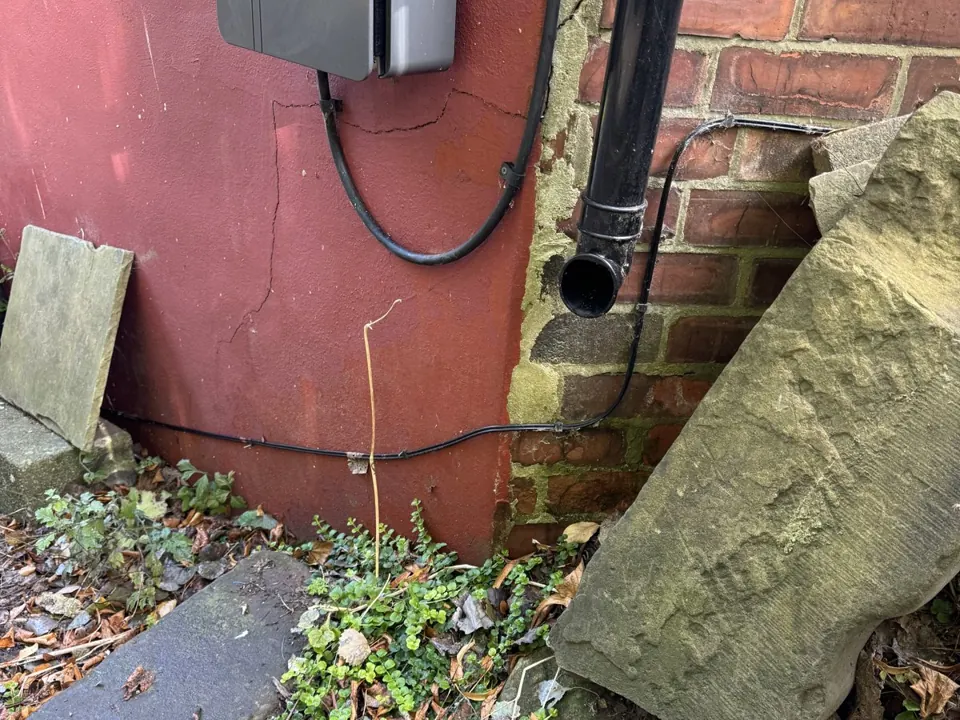
When a building moves, the water under it is one of the first suspects. Escaping water from a leaking or damaged drain can soften the ground, or slowly wash soil away from beneath the foundations, causing settlement. A CCTV drainage survey confirms whether the drains are contributing to the cracking — and it needs to happen before structural repairs are carried out, because repairing the wall while the leak continues invites the damage straight back.
What a CCTV drainage survey is
A small camera is fed into the underground drains from an inspection chamber (the manhole) and records the condition of the pipes as it travels, with no digging. The survey is carried out by a specialist drainage contractor rather than by CR Design Services — our role is to interpret what the footage means for the structure.
What is involved
The contractor needs access to all the inspection chambers, including any that have been covered or paved over. Blocked drains may need jetting first, which is usually charged separately. Most domestic surveys take one to three hours.
One practical point matters more than any other: ask for a written report with the footage, a drainage layout plan, and each defect recorded and located. A verbal all-clear over the garden fence is not sufficient evidence for us — or for most insurers.
What it costs
A domestic CCTV survey usually costs £150 – £350 including the written report. If repairs are needed, they range from a few hundred pounds for a local patch repair or lining to several thousand pounds where excavation and replacement are unavoidable.
What the findings typically mean
| Finding | Typical action |
|---|---|
| No significant defects | No action. Drainage can usually be ruled out as a cause of the movement. |
| Silt, debris or blockage | Jet clean. |
| Root ingress, open joints or cracks | Patch repair or lining. Tree management may also be needed. |
| Collapsed or deformed pipe | Excavation and replacement. |
Next steps
Send the survey report and footage to us so we can advise on what it means for the structure — reviewing it is an additional service beyond the inspection fee, and we will always say so before any cost arises. If subsidence or drain damage is suspected, contact your buildings insurer before arranging repairs. Defects in shared drains or public sewers are usually the water company's responsibility rather than yours.
If you are planning building work rather than investigating cracks, drains matter there too — see our guide to building near drains and sewers under an extension.
Guidance for homeowners in England. Costs are indicative at 18 October 2026 and depend on the property and ground conditions. Reviewed 18 October 2026.
You might also find useful
Cracks and a suspect drain?
Our structural engineers can inspect the damage, tell you whether a drainage survey is worth the money, and interpret the footage once it is done. Fixed-fee inspections from £490+VAT.