
Underpinning: what it is, when it's really needed and what it costs
Underpinning is the structural repair everyone has heard of — and the one that is recommended far more often than it is actually needed. Most cracked buildings never need it.
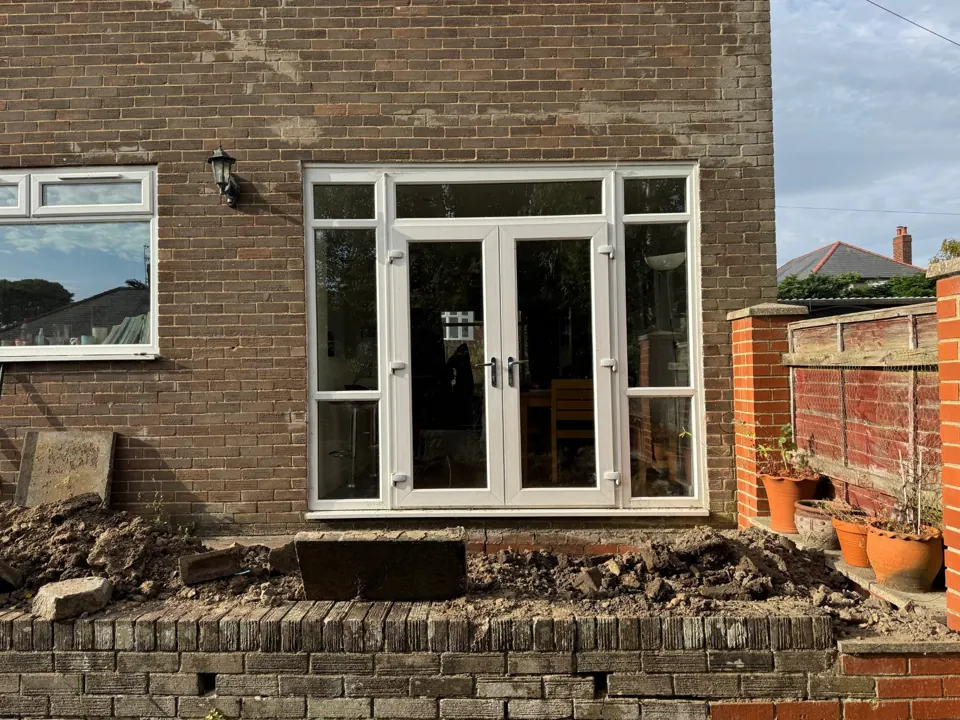
Underpinning deepens or strengthens existing foundations so they bear on firmer ground, below the zone affected by movement. It is usually needed to only part of a building — one corner or one wall — rather than the whole house. Done for the right reasons it is a sound, permanent repair. Done for the wrong reasons it is a very expensive way to treat a symptom.
Most cracked houses do not need it
Underpinning is only recommended where movement is shown to be ongoing — usually after 12 months of crack monitoring — and the cause cannot be removed, for example where trees cannot be felled or the ground is simply too soft. The cause should always be dealt with first:
| Cause of movement | Often resolved without underpinning by |
|---|---|
| Leaking drains | Drain repair, then monitoring to confirm the movement has stopped. |
| Trees on clay soil | Tree management — but seek advice first, as felling can cause the ground to swell. |
| Historic movement that has stopped | Crack repair, stitching with helical bars and redecoration. |
Methods and typical costs
| Method | Description | Typical cost (excl. VAT) |
|---|---|---|
| Mass concrete | Excavated in short sections beneath the wall and filled with concrete. Suits shallower depths. | £1,000 – £2,000 per metre |
| Beam and base | Reinforced concrete beam spanning between deeper concrete bases. | £1,200 – £2,500 per metre |
| Mini-piled | Small piles drilled to deeper ground, with a beam to carry the wall. Suits deep clay or trees. | £1,500 – £3,000 per metre |
| Resin injection | Expanding resin injected beneath the foundation. Less disruptive, but not suitable for all ground. | £500 – £1,500 per injection point |
As a rule of thumb, underpinning one corner of a typical semi-detached house usually costs £5,000 to £16,000 plus VAT for the building work alone. Investigation, design, Building Control and Party Wall costs are extra.
What the process involves
We investigate the ground first — usually with trial pits and soil testing — then prepare the design, drawings and calculations for Building Control approval. A Party Wall Act notice is usually needed for semi-detached and terraced houses. Partial underpinning normally takes two to six weeks on site, and the house can usually stay occupied throughout. Building Control inspects each excavation before any concrete is poured, which is one of the reasons a properly documented job holds its value.
Next steps
If subsidence is suspected, contact your buildings insurer before any work is designed or arranged — underpinning is exactly the kind of repair insurers expect to be consulted on. Afterwards, keep the design, the Building Control completion certificate and the contractor's guarantee together: insurers and future buyers will ask for all three.
Guidance for homeowners in England. Costs are indicative at 18 October 2026 and depend on the property and ground conditions. Reviewed 18 October 2026.
You might also find useful
Been told your house needs underpinning?
Get a second opinion before committing to five figures of groundwork. Our structural engineers will tell you plainly whether it is justified and what the evidence shows. Fixed-fee inspections from £490+VAT.